Kamei Iron Works Limited
Kamei Pilot Rudder Reel Manufacturing

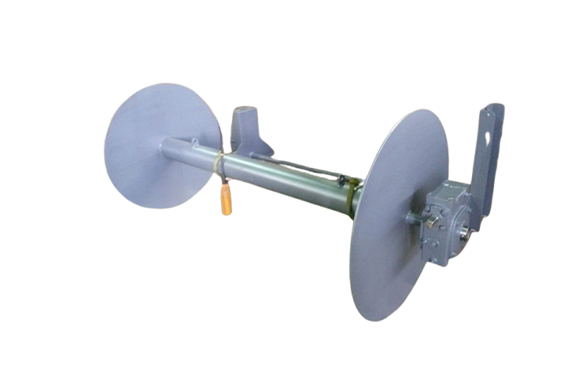
Manufacturer: Kamei Iron Works Limited
Features
- An order was received from the Aftermarket Parts Division to manufacture a pilot ladder reel (hereafter referred to as the ladder reel).
- The ladder reel is equipment required on merchant vessels such as container ships, coal carriers, and vehicle carriers.
- The term “pilot” in the device name refers to the harbor pilots stationed at each port.
- To use an aviation analogy, an aircraft receives landing clearance from the control tower and then approaches the runway from the designated direction. In a similar way, the harbor pilot fulfills this control-tower function.
- Rather than issuing instructions remotely, the pilot boards the vessel directly and provides maneuvering guidance to the captain during port entry and departure.
- The device stores the ladder used by the pilot to board and disembark at sea.
- In some ports, helicopters are used for boarding, and for disembarking, the pilot may transfer to a tugboat that approaches while the vessel is still moving.
- Although not confirmed firsthand, there are reports of occasional fatal accidents in which a pilot falls overboard by mistake.
- Because this equipment is directly tied to safety, strict regulations govern its construction and use.
- With the introduction aside, the next step is to proceed with fabricating each component: the reel that winds the ladder and the platform located behind it.
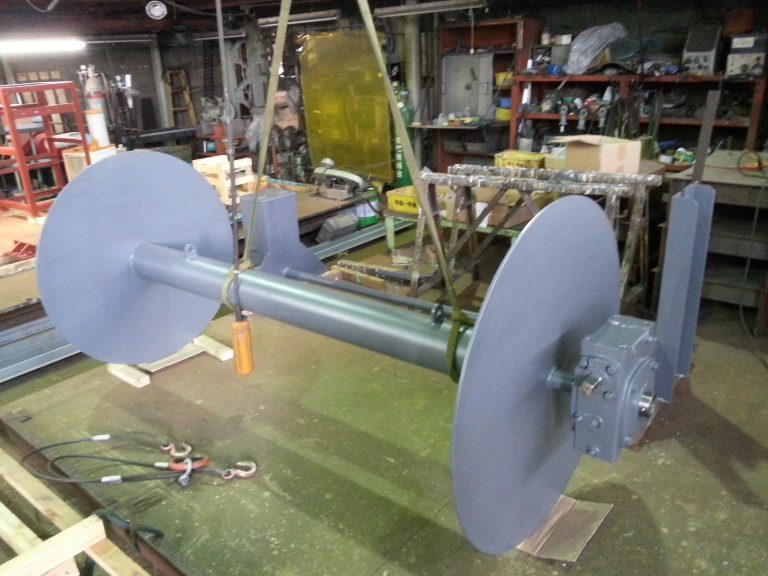
The left side is the air motor that drives the device; the right side is the metal fixture that secures the motor.
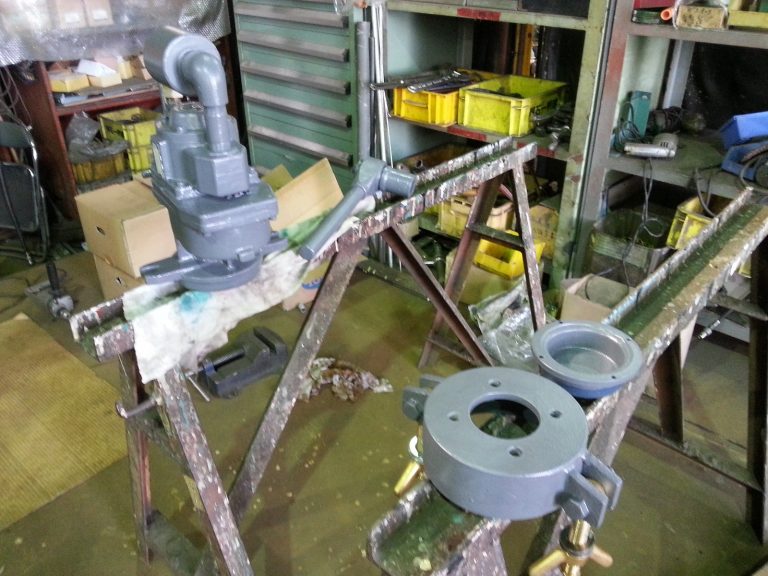
This is a Japanese-made air motor. While it can be powered by electricity or oil, air offers the best safety and ease of handling. Its drawbacks are efficiency and noise.
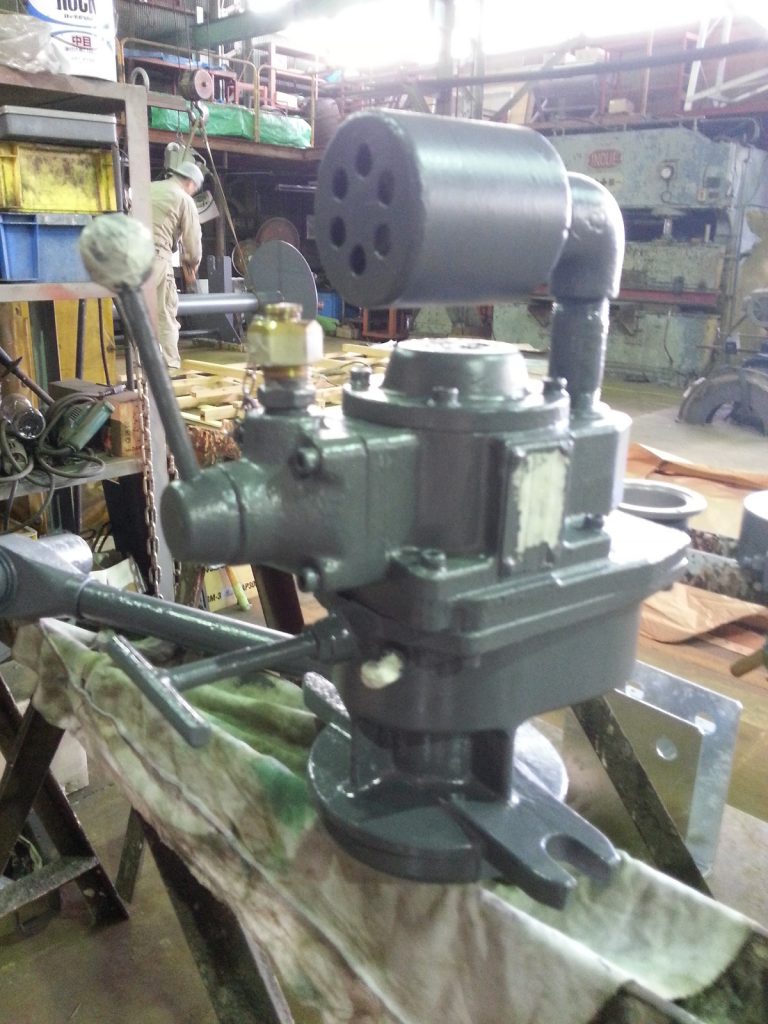
Combine the base and drum.
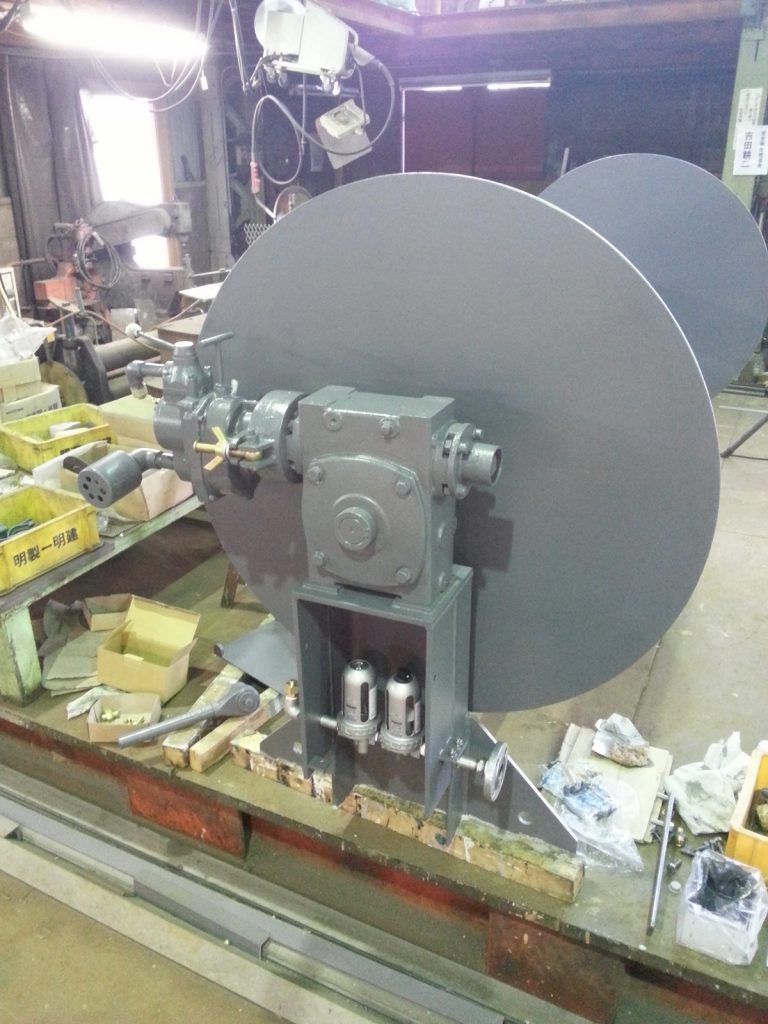
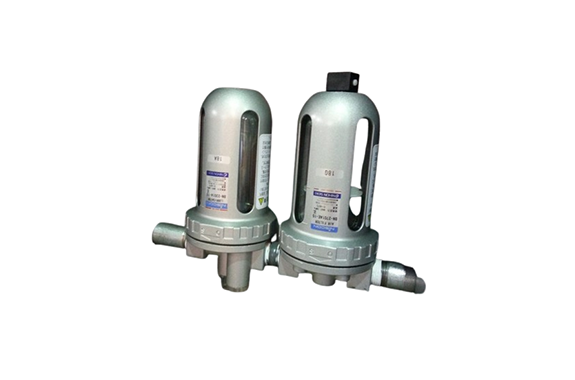
The filter and lubricator are essential when using an air motor.
The filter removes debris from the air and adds oil to it. Without this, the air motor will break easily.
The photo is upside down because this unit is designed for ceiling mounting, so the ceiling side was facing down during fabrication.
Related Products

REQUEST QUOTATION

PAYMENT

LINK