Yamato Protec Corporation
Yamato Protec Foam fire extinguishing equipment Product overview

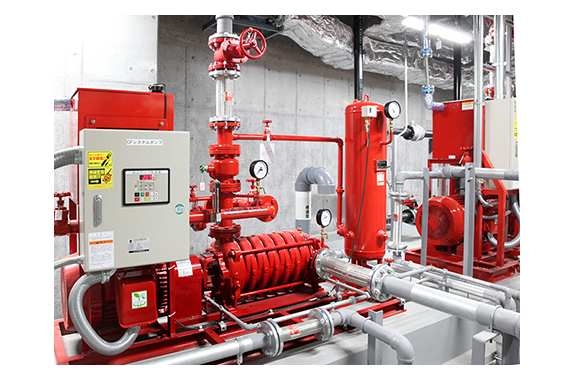
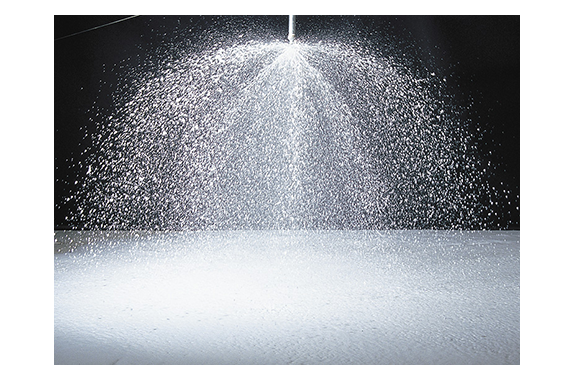
Manufacturer: Yamato Protec Corporation
Model: Foam fire extinguishing equipment
Application
Targeting flammable liquids, foam systems protect hazardous material facilities, factories, warehouses, and parking lots. The system mixes water and concentrate, spraying air-filled foam to smother the burning surface, block oxygen, and cool the fire. This setup integrates a water source, pressurized supply, concentrate tank, mixer, foamer, control panel, piping, and wiring.”
The principle of fire extinguishing using foam fire extinguishing agents
The system extinguishes fire by releasing a large amount of liquid to cover the burning surface completely. Specifically, the discharged foam spreads horizontally to blanket the burning material, blocking the air supply to suffocate the fire. Simultaneously, the water within the foam cools the area, creating a powerful synergistic effect of suffocation and cooling.”
Part 1
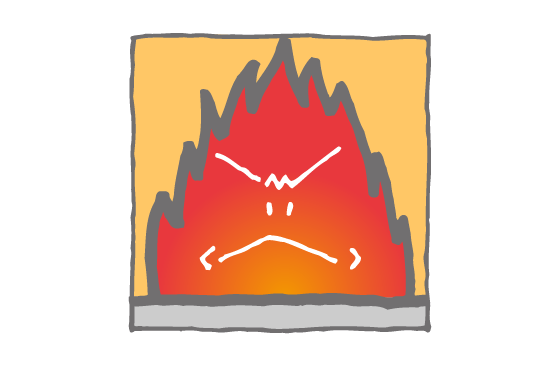
Fire breaks out
Part 2
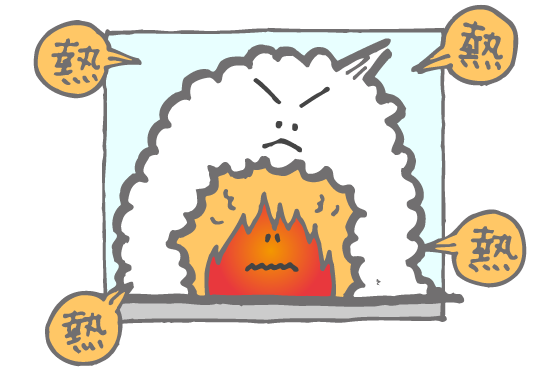
The bubbles spread and cover the combustion surface, cooling it down.
Part 3

Firefighting
Regarding the concentration of foam fire extinguishing agent
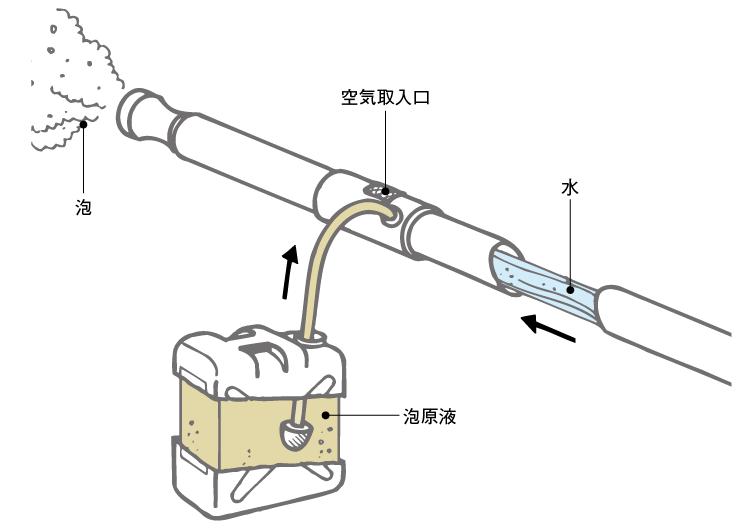
Manufacturers produce foam agents in high concentrations (1%, 2%, 3%, and 6% types) to reduce storage tank sizes. During a fire, a mixer combines the agent with water, creating a solution that sprays out as foam to extinguish the fire.
Mixing principle for creating aqueous solutions (line proportioner method)
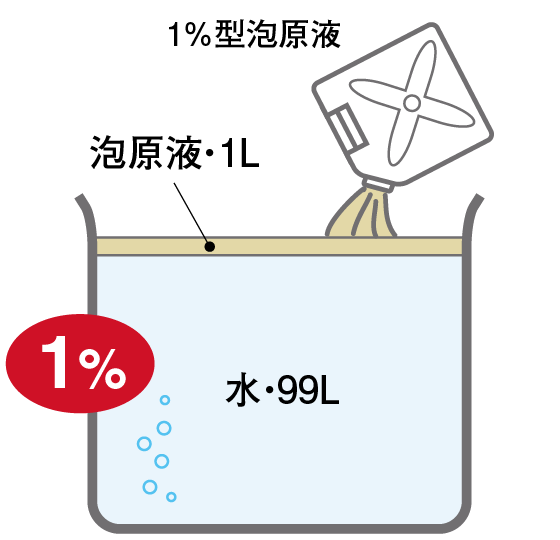
What is a 1% foam concentrate?
Add 1 liter of foam concentrate (1% type) to 99 liters of water to make an aqueous solution.
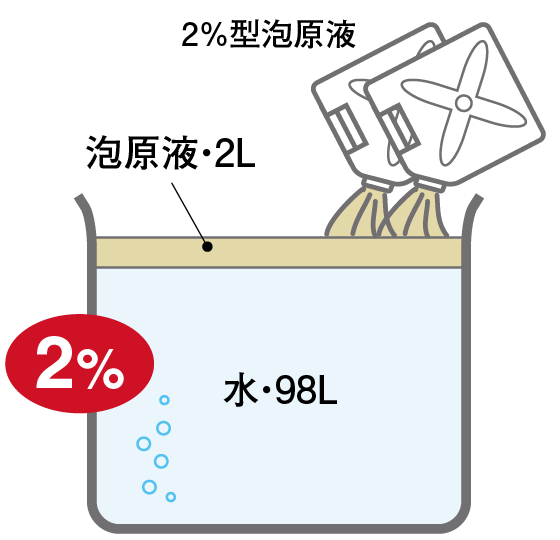
What is a 2% foam concentrate?
Add 2 liters of foam concentrate (2% type) to 98 liters of water to make an aqueous solution.
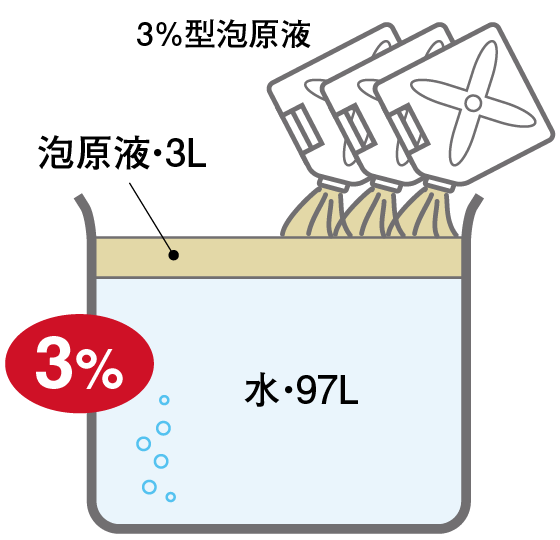
What is a 3% foam concentrate?
Add 3 liters of foam concentrate (3% type) to 97 liters of water to make an aqueous solution.
What is a 6% foam concentrate?
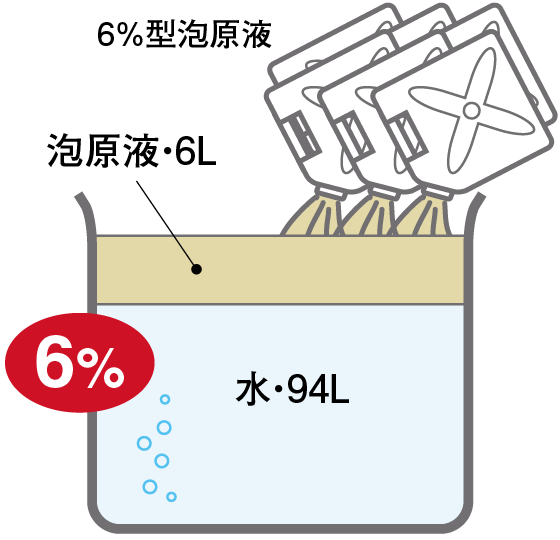
Add 6 liters of foam concentrate (6% type) to 94 liters of water to make an aqueous solution.
To prevent the foam fire extinguishing agent from freezing
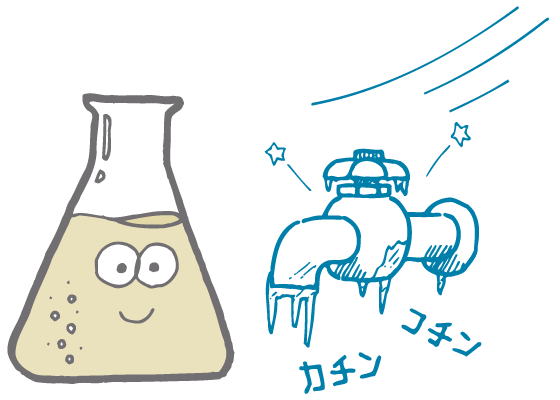
Water freezes easily in winter, and foam concentrates similarly fail below certain temperatures. However, thawed liquid regains its full effectiveness once temperatures return to the usable range. To prevent freezing, manufacturers offer ‘cold-resistant’ and ‘ultra-cold-resistant’ versions for low-temperature environments.
| type | Operating temperature range |
|---|---|
| For normal use | -5°C to +30°C |
| For cold resistance | -10℃ to +30℃ |
| For super cold resistance | -20℃ to +30℃ |
Performance evaluation of foam fire extinguishing agents
Experts evaluate foam agent performance using two metrics: expansion ratio and drain time. Standards classify foam into low-expansion and high-expansion types, further categorizing the high-expansion variants by their specific expansion ratios.
Regarding the standards for the foaming ratio (expansion ratio) of foam fire extinguishing agents.
(Article 18, Paragraph 1, Item 1 and Article 18, Paragraph 1, Item 3 of the Fire Service Act Enforcement Regulations)
Low foaming (foam head): Foam with an expansion ratio of 20 or less.
High foaming (foam outlet for high foaming):
Type 1… Foam with an expansion ratio of 80 or more and less than 250
Type 2… Foam with an expansion ratio of 250 or more but less than 500
Third type… bubbles with an expansion ratio of 500 or more but less than 1000
The foaming rate (expansion ratio) of foam is the ratio of the volume of the foam solution to the volume of the foam.
Foaming rate of fire extinguishing agent
In the case of aqueous film-forming bubbles, the ratio is more than 5 times.
For protein foam and synthetic surfactant foam (low foaming), use a ratio of 6 times or more. (However, for water-soluble hazardous materials, use a ratio of 5 times or more.)
For synthetic surfactant foam (high foaming), the application varies depending on the intended use.
What is draining (reduction) and the [25% reduction time measurement method]?
The gradual reduction of water from the foaming bubbles, which thins the foam film and reduces the bubbles’ resistance, is called condensation (reduction).
- One way to determine whether foam has condensed is through the [25% reduction time measurement method], which is legally mandated to specify performance standards for foam fire extinguishing agents. This method measures the time it takes for 25% of the foam mass, or 1/4, to reduce to water.
- According to the standards, protein foam fire extinguishing agents must last for 60 seconds or more. High-foaming synthetic surfactant foam fire extinguishing agents, however, must last for 3 minutes or more.
Types of hazardous materials fires
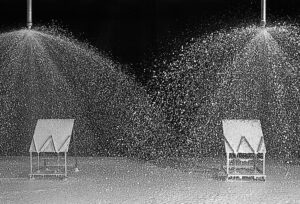
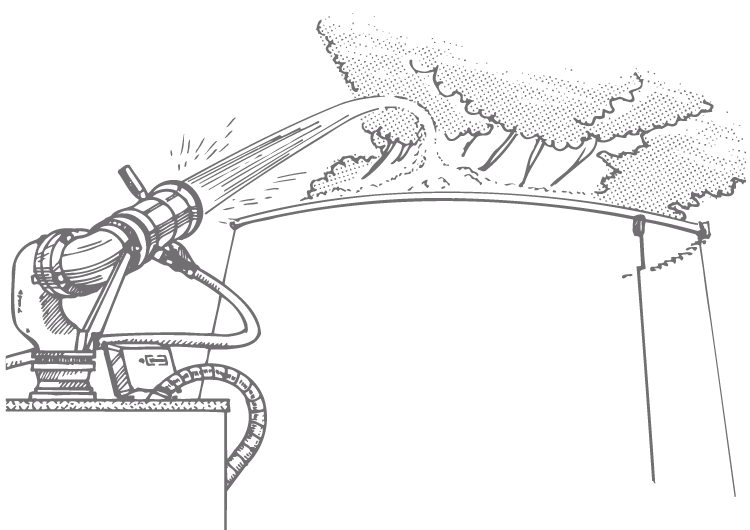
Tank fire
Tank fires often develop into large-scale conflagrations. The thick fuel layer and the significant distance from the fuel level to the top of the tank wall create a very large, high-temperature layer. Furthermore, the intense heat from combustion and radiant heat make firefighting extremely difficult.These thermal hazards exhibit the characteristics of a classic deep-seated fire.
oil spill fire
Oil spill fires are generally characterized by a short time between the start of the fire and its extinguishing, and are so-called “shallow fires” because the fuel layer is thin and does not heat up easily.
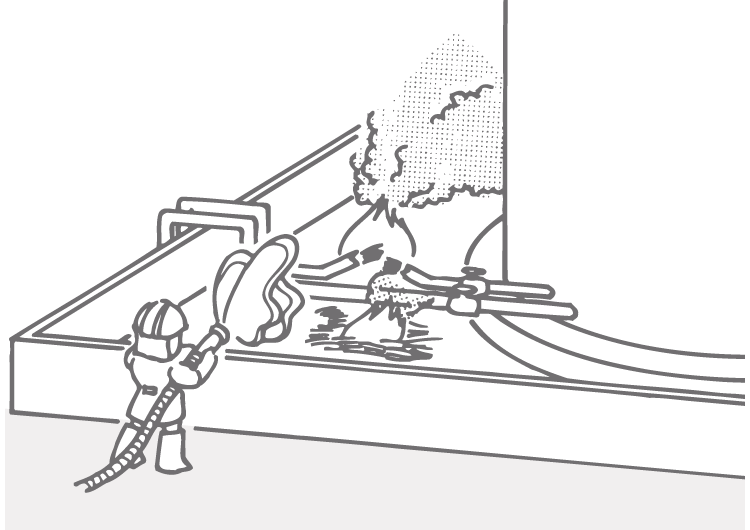
Parking lot fire (oil spill fire in a multi-story parking garage)
These thermal hazards act like classic deep-seated fires.
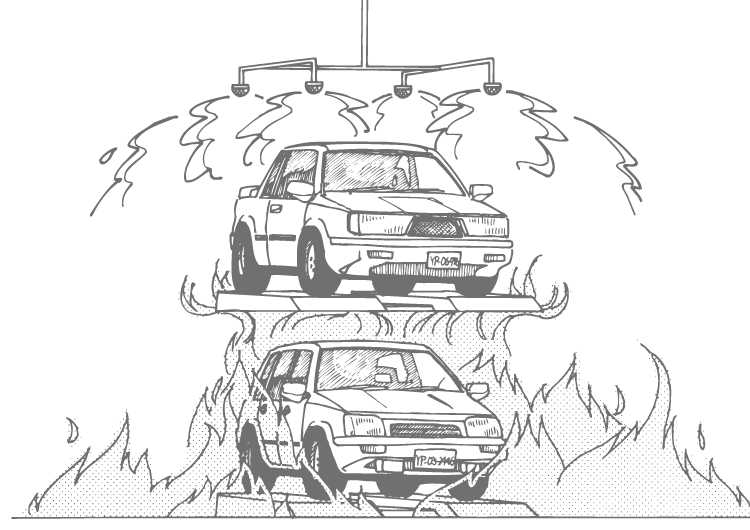
Types of foam fire extinguishing systems

1 Fixed type (chamber type)
This device mounts on the upper sidewall of a hazardous storage tank and extinguishes fires by releasing foam onto the liquid surface. Alternatively, the SSI method releases foam from the tank bottom.
2 Foam monitoring method
Operators install these systems near outdoor hazardous tank inlets, particularly on wharves and piers. The long-range nozzles release a large volume of foam onto targets from a distance, suppressing oil and tank fires on ships or at sea.
3 Fixed type (foam head type)
Fixed foam heads sit above or around equipment like indoor parking lots, flammable liquid processing structures, tanks, and pumps. During a fire, these heads discharge foam directly onto the hazard.
4 Mobile (foam fire hydrant system)
Depending on the fire situation, people operate mobile nozzles to extinguish the fire.
5.Fixed type (high foaming outlet)
By filling enclosed spaces with high-expansion foam, this system cools and smothers Class A fires (solid combustibles) and Class B fires (flammable liquids). It also suppresses fires and gas diffusion in cryogenic liquefied gas storage facilities like LNG
General objects
Facilities subject to Article 17 of the Fire Service Act, such as parking lots, utilize synthetic surfactant foam fire extinguishing agents and aqueous film-forming foam fire extinguishing agents.
Hazardous materials
Facilities subject to Article 10 of the Fire Service Act, such as hazardous materials handling facilities, are primarily equipped with protein foam fire extinguishing agents.
Foam fire extinguishing system for parking lots
This fire extinguishing system is classified as a general-purpose fire extinguishing system (Article 17 of the Fire Service Act) for parking lot fires. It offers excellent rapid extinguishing capabilities and prevention of re-ignition.
Foam fire extinguishing system for designated parking lots
This is a foam fire extinguishing system for specific parking lots, using a closed-type aqueous solution head. The interconnected, high-sensitivity heads allow for pinpoint fire suppression at the source of the fire.
Hazardous materials foam fire extinguishing system
Fire extinguishing equipment in facilities handling hazardous materials to which Article 10 of the Fire Service Act applies.
Types of foam fire extinguishing systems
Foam fire extinguishing agent mixing equipment
There are several types of proportional mixers, which automatically mix water and foam in a fixed ratio to create an air foam solution, depending on the mixing method.
Foam fire extinguishing agent
This is the foam concentrate before mixing with water. Depending on the type of hazardous material and the nature of the fire, it is necessary to select a foam fire extinguishing agent with optimal performance.
Related Products
-
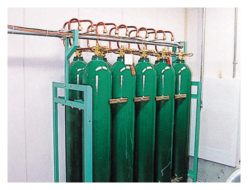
Yamato Protec Inert Gas Fire Extinguishing System Carbon Dioxide Product Overview
-
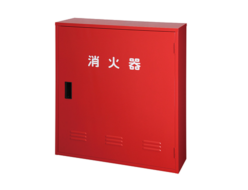
Yamato Protec A-3 Without Window Fire Extinguisher Storage Box For 20 Liter Extinguishers
-
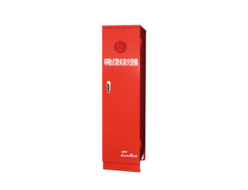
Yamato Protec YDA-75CG Mobile Powder Fire Extinguishing System Made Of Stainless Steel With Flat Indicator Light
-
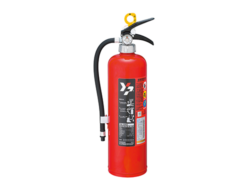
Yamato Protec YA-10NX Powder Pressure Storage Fire Extinguisher
-
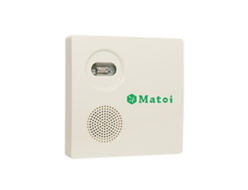
Yamato Protec UVS-07BN Arson Monitoring Sensor
-
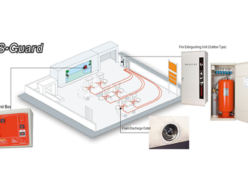
Yamato Protec Foam Fire Extinguishing System For Self Service Gas Stations Product Overview
REQUEST QUOTATION

PAYMENT

LINK