Yamato Protec Corporation
Yamato Protec Gas Based Fire Extinguishing Systems Product Overview

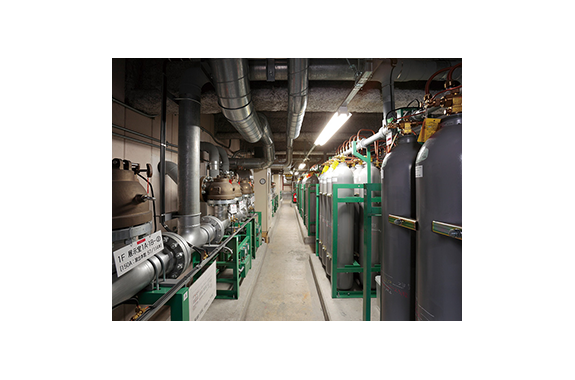
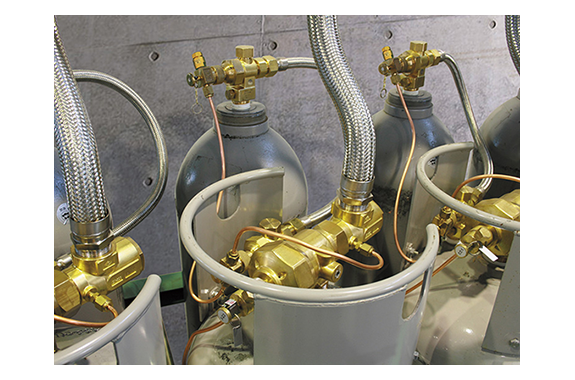
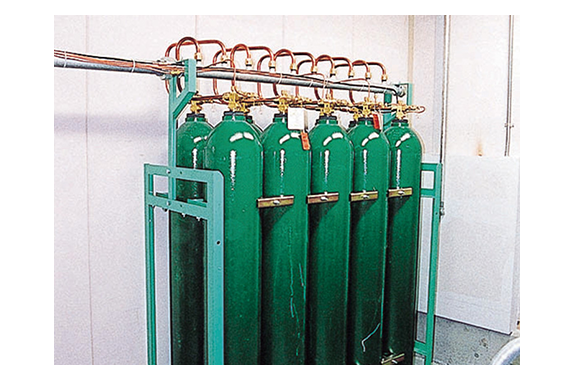
Manufacturer: Yamato Protec Corporation
Model: Gas Based
Application
This method extinguishes fires by spraying inert gases or halogenated compounds as fire extinguishing agents, using suffocation or chemical reactions. Because it causes minimal damage after extinguishing a fire, it is widely used in computer rooms, communication facilities, and laboratories.
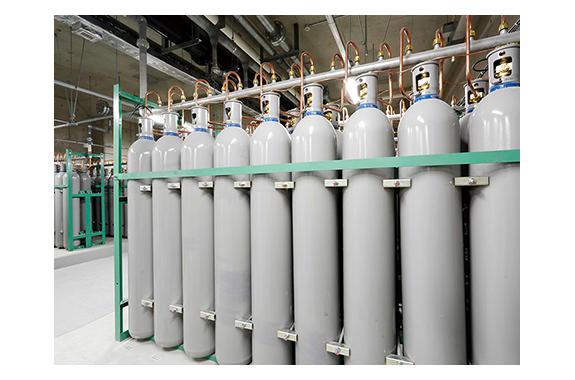
Types of fire extinguishing gases
carbon dioxide
This method extinguishes fires by diluting the oxygen concentration in the air, causing suffocation. Because it can affect human health indoors, caution is required during installation and handling.
nitroge
This method extinguishes fires by diluting the oxygen concentration in the air, creating a suffocating effect. Because it is made from the most abundant natural substance in the air, it is non-toxic to humans and is attracting attention as a new fire extinguishing system that is kind to both people and the environment.
Halon 1301
The synergistic effect of suffocation by blocking the combustion surface and the chemical negative catalytic effect (inhibitory effect) that interrupts the chain reaction of combustion allows for extremely short extinguishing times. Installation in critical use applications is permitted.
HFC-227ea (FM-200)
Developed in the United States as an alternative to halons, this halogen-based extinguishing agent does not deplete the ozone layer.
Its fire extinguishing principle is the same as that of halons, and it is used in 95% of the world’s halon replacement systems.
If you plan to install gas fire extinguishing equipment other than Halon 1301 in a location where people are constantly present, please consult with your local fire department in advance.
Types and characteristics of gaseous fire extinguishing agents
Check the fire extinguishing performance.
| Carbon dioxide fire extinguishing system (Inert gas fire extinguishing system) | Nitrogen fire extinguishing system (inert gas fire extinguishing system) | Halon 1301 fire extinguishing system (halogenated hydrocarbon fire extinguishing system) | HFC-227ea (FM-200) (Halogenated fire extinguishing system) | |
|---|---|---|---|---|
| Flame extinguishing concentration (%) of fire extinguishing agent | ○ (22.0) | ○ (33.6) | ◎ (3.4) | ◎ (3.4) |
| Duration of fire extinguishing effectiveness | ○ | ◎ | ○ | ○ |
Symbol explanation: ◎ Good ○ Average × Bad
( ) indicates the value for n-heptane using the cup burner method.
View environmental performance
| Carbon dioxide fire extinguishing system (Inert gas fire extinguishing system) | Nitrogen fire extinguishing system (inert gas fire extinguishing system) | Halon 1301 fire extinguishing system (halogenated hydrocarbon fire extinguishing system) | HFC-227ea (FM-200) (Halogenated fire extinguishing system) | |
|---|---|---|---|---|
| Ozone depletion potential | ◎ (0) | ◎ (0) | × ※ (10) | ◎ (0) |
| global warming index | ○ (1) | ◎ (0) | × ※ (4170) | ○ (2050) |
| Atmospheric remaining years | × (120 years) | ◎ (-) | △ * (65 years) | ○ (31 years) |
Symbol Explanation: ◎ Good ○ Average △ Slightly Poor × Poor
The numbers in parentheses are from the IPCC Fifth Assessment Report. (The remaining atmospheric lifespan of carbon dioxide is from the IPCC First Assessment Report.)
By collecting and installing halon in a halon recycling system, we can contribute to protecting the global environment.
Checking for safety for the human body
| Carbon dioxide fire extinguishing system (Inert gas fire extinguishing system) | Nitrogen fire extinguishing system (inert gas fire extinguishing system) | Halon 1301 fire extinguishing system (halogenated hydrocarbon fire extinguishing system) | HFC-227ea (FM-200) (Halogenated fire extinguishing system) | |
|---|---|---|---|---|
| Safety of the fire extinguishing agent itself for human health | × | ◎ | ◎ | ◎ |
| Duration of fire extinguishing effectiveness | × | ◎ | × | × |
Symbol explanation: ◎ Good ○ Average × Bad
View the main uses (protected areas)
| Carbon dioxide fire extinguishing system (Inert gas fire extinguishing system) | Nitrogen fire extinguishing system (inert gas fire extinguishing system) | Halon 1301 fire extinguishing system (halogenated hydrocarbon fire extinguishing system) | HFC-227ea (FM-200) (Halogenated fire extinguishing system) | |
|---|---|---|---|---|
| Main uses | Mechanical parking oil cellar Rolling mill Hazardous materials warehouse Painting line Dust collector Mixed batting machine Cotton delivery duct etc. | Computer Room Communication equipment room Electrical room Art storage Mechanical parking systems, etc. | Communication equipment room Broadcasting Room Control room printing room Film and other storage room Instrument room of a hazardous materials facility Art exhibition rooms, etc. | Communication equipment room Computer Room Electrical room Cable room machine room Small machine tools, etc. |
Types of gas-based fire extinguishing systems
Fixed gas fire extinguishing system
This is a fixed-type fire extinguishing system consisting of a storage container, activation device, spray head, etc.
Mobile gas fire extinguishing system
This is a fire extinguishing system operated by human hands. The main cylinder, hose, and nozzle are compactly arranged.
Gas system unit
This compact unit integrates all functions, from detection and alarm to fire suppression, allowing for installation in small spaces.
Related Products
-
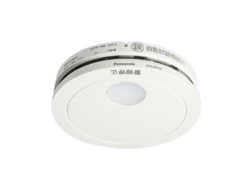
Yamato Protec Slim Type Residential Smoke Detector
-
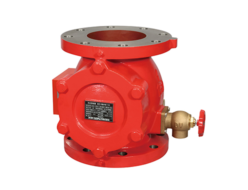
Yamato Protec YAVS-150AII Water Flow Detection Device
-
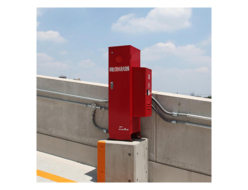
Yamato Protec YDA-75CG With B-1 Box Mobile Powder Fire Extinguishing System Flat Indicator Light
-
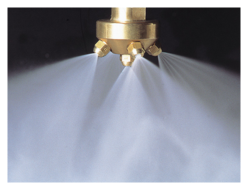
Yamato Protec Water Mist Fire Extinguishing System Microfog Product Overview
-
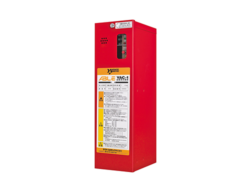
Yamato Protec Able YAC-1 Automatic Fire Extinguishing System For Industrial Equipment
-
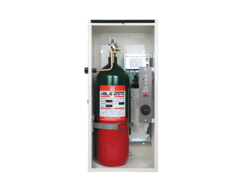
Yamato Protec Able ACO-7C Automatic Fire Extinguishing System For Industrial Equipment
REQUEST QUOTATION

PAYMENT

LINK